
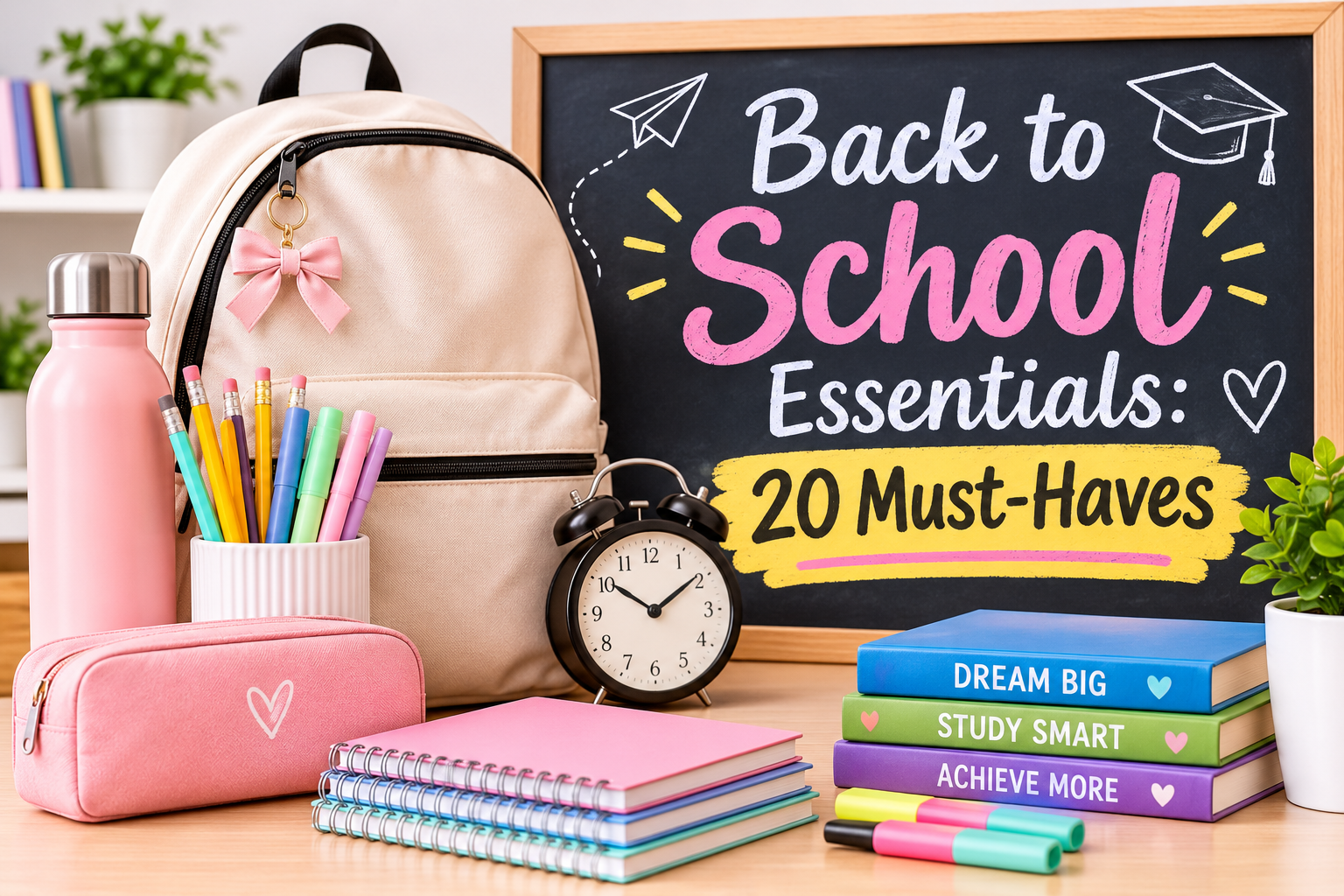
Back to School Essentials: 20 Must-Haves
Back to School Essentials: 20 Must-Haves
Getting ready for a new school year is easier when you have everything you need before the first day. From comfortable backpacks and reliable stationery to everyday school supplies and personal care items, the right essentials help students feel organized, confident, and ready to learn.
This guide to Back to School Essentials: 20 Must-Haves covers the practical items worth adding to your shopping list for 2026. Whether you are preparing for elementary school, high school, or college, you will find useful ideas for building a complete school supply kit without buying unnecessary extras.
The best approach is to focus on what you will actually use. Choose supplies that fit your classes, daily routine, and budget, then add a few personal touches to make your school year feel exciting.
🎒 Back to School Essentials: 20 Must-Haves for Every Student
A good school shopping list starts with the basics. These 20 essentials cover everyday schoolwork, organization, comfort, and personal care.
You can use the list as a starting point and adjust it to match your school’s requirements. Some students will need specialist supplies for art, science, or technology classes, while others may need only a few notebooks and writing tools.
📚 1. A Durable School Backpack

A reliable backpack is one of the most important school essentials.
Look for a bag with comfortable, adjustable shoulder straps, sturdy zippers, and enough space for books, stationery, and a lunch container.
Useful features include:
- Several compartments for better organization.
- A padded section for a laptop or tablet, if needed.
- Water-resistant material for everyday protection.
- A comfortable design that fits the student’s body.
Choose a size that suits the student’s actual needs rather than buying the biggest backpack available.
📓 2. Notebooks for Different Subjects

Notebooks help students record lessons, organize ideas, and review information before exams.
Choose lined notebooks for language-based subjects and graph paper for mathematics or science when required.
A simple color-coding system can make schoolwork easier to manage. For example, use a blue notebook for mathematics and a green one for science.
✏️ 3. Pens and Pencils
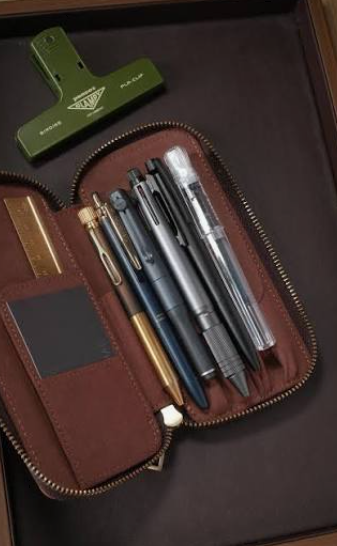
Writing tools are essential for classwork, homework, and tests.
A practical stationery kit should include:
- Blue or black pens.
- Pencils for rough work and diagrams.
- A pencil sharpener.
- An eraser.
- A few colored pens for highlighting important notes.
Check your school’s stationery requirements before buying large quantities.
📐 4. A Geometry Set

Students taking mathematics or technical subjects may need a ruler, compass, protractor, and set squares.
Choose a sturdy set that fits neatly inside a pencil case.
A transparent ruler can be especially useful because it allows students to see the lines and measurements underneath.
🗂️ 5. Folders and Document Organizers

Loose worksheets and handouts can quickly become difficult to manage.
Use folders to separate homework, completed assignments, revision notes, and important school documents.
A simple folder system helps students find their work quickly and reduces the chance of losing important papers.
🖍️ 6. Highlighters and Colored Markers

Highlighters can make revision notes easier to scan.
Choose a few colors and use them consistently. For example, highlight definitions in yellow and important dates in pink.
Colored markers are also useful for diagrams, project work, and visual study notes.
📅 7. A Planner or Homework Diary

A planner helps students keep track of homework, tests, project deadlines, and extracurricular activities.
A paper planner works well for students who prefer writing things down. A digital calendar can be useful for those who already manage their schedules on a phone or computer.
The most important habit is to check the planner regularly.
🖥️ 8. A Laptop or Tablet, If Required

Some schools require students to use a laptop or tablet for assignments, research, and digital learning.
Once your device is set up, bookmark a few free study tools. A free word counter is handy for essays with a word limit, and it also shows how long your text takes to read aloud, which helps when you’re timing a class presentation.
Before buying a device, check the school’s recommended specifications and software requirements.
If a device is already available at home, it may be sufficient for the student’s needs. A protective case and a reliable charging cable can also help keep it in good condition.
🎧 9. Headphones or Earphones

Headphones can be useful for online lessons, language practice, and educational videos.
Choose a comfortable pair with clear sound and a suitable volume limit.
For younger students, check whether the school permits personal audio devices and whether wired headphones are preferred.
🔌 10. A Charging Cable and Power Bank

A charging cable is useful for keeping phones, tablets, and other approved devices ready for school.
A power bank may be helpful for older students who spend long days on campus, but it should only be used where permitted.
Keep charging accessories in a small pouch to prevent tangled cables and misplaced adapters.
🥪 11. A Reusable Water Bottle

A reusable water bottle helps students carry water throughout the school day.
Choose a leak-resistant design that is easy to open, clean, and refill. A bottle that fits inside the backpack’s side pocket is especially convenient.
For younger students, a simple lid and easy-to-grip shape can make a big difference.
🍱 12. A Lunch Box or Food Container

A lunch box keeps snacks and meals organized during the school day.
Look for a container that is easy to clean and large enough for the student’s usual lunch. Separate compartments can help keep different foods apart.
A small reusable snack container is another useful option for longer school days.
🧻 13. A Small Personal Care Kit

A compact personal care pouch can help students feel fresh and comfortable throughout the day.
Useful items may include:
- Tissues.
- Hand sanitizer, where permitted.
- A small comb or hairbrush.
- Lip balm.
- Period products, if needed.
Choose items that suit the student’s age and school rules. Keep the pouch simple so it does not take up too much backpack space.
🧴 14. Sunscreen and a Small Umbrella

Outdoor activities, walking to school, and waiting for transportation can expose students to changing weather.
Sunscreen can help protect exposed skin when used according to its label. A compact umbrella or lightweight raincoat is useful for unexpected rain.
Choose weather essentials based on the local climate and the student’s daily commute.
👟 15. Comfortable School Shoes
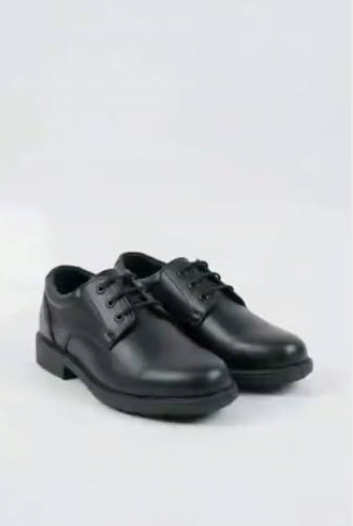
School shoes should be comfortable enough for walking, standing, and moving between classes.
Check the school’s uniform and footwear rules before shopping.
Look for a suitable fit, secure fastening, and a sole that provides good grip. If students have physical education classes, they may also need separate sports shoes.
👕 16. A Practical School Uniform or Clothing Basics

If your school requires a uniform, check the official list before buying clothing.
For schools without uniforms, choose comfortable basics that suit the dress code and local weather.
A useful clothing checklist may include:
- Shirts or tops.
- Trousers, skirts, or other approved bottoms.
- A sweater or jacket for cooler classrooms.
- Socks and suitable undergarments.
- Sportswear for physical education.
Buying a few versatile pieces can make getting dressed easier on busy mornings.
🧥 17. A Lightweight Jacket or Sweater

Classrooms, buses, and outdoor spaces can have different temperatures.
A lightweight jacket or sweater is useful for air-conditioned rooms and cooler mornings. Choose a layer that fits easily into a backpack when it is not needed.
For warmer climates, a breathable cotton layer may be more practical than a heavy coat.
🧼 18. A Pencil Case

A pencil case keeps small stationery items together and makes them easy to find.
Choose a design with enough room for everyday writing tools, an eraser, and a ruler if needed.
A simple, durable case is often more useful than one with too many compartments or decorative features.
🩹 19. A Small First-Aid and Emergency Kit

A small emergency pouch can hold a few useful personal items.
Depending on the student’s age and school rules, it may include adhesive bandages, emergency contact information, or personal care supplies.
Medication should only be carried and used according to the school’s policy and the student’s caregiver or healthcare professional’s instructions.
🪪 20. Student ID and Important Documents

A student ID, school timetable, and emergency contact details can be essential for daily school life.
Keep these items in a secure, easy-to-reach section of the backpack.
Before the first day, check whether the school requires any forms, identification, or signed documents. Keep copies of important information at home when appropriate.
🛍️ How to Shop for School Supplies Without Overspending
A well-planned shopping list helps families avoid buying duplicate or unnecessary items.
Before shopping, check the school supply list and review what is already available at home.
📝 Make a Three-Part Shopping List
Divide the list into three categories:
| Category | What to include |
|---|---|
| Required | Items listed by the school |
| Useful | Supplies that support daily routines |
| Optional | Personal touches and extras |
Buy required items first. Then add useful supplies based on the student’s actual needs.
For example, a student who already has a working laptop may not need a new one. A student who takes handwritten notes may benefit more from extra notebooks than from digital accessories.
💰 Set a Realistic School Shopping Budget
School expenses can add up quickly, especially when several children need supplies at the same time.
A simple budget can help you prioritize:
- Set a total amount you can comfortably spend.
- Check prices for required supplies.
- Reuse suitable items from the previous school year.
- Compare quality and durability before choosing.
- Keep a small amount for unexpected school requirements.
You can also spread purchases across several weeks when the school calendar allows it.
♻️ Reuse and Refresh What You Already Own
Not every school year requires a completely new set of supplies.
Check backpacks, pencil cases, rulers, and other reusable items for damage. Clean items that are still in good condition and replace only what is missing or no longer useful.
This approach can reduce waste while keeping your school shopping list manageable.
📌 Easy Ways to Organize Your School Essentials
Once you have everything, spend a little time organizing your supplies before the first day.
🎒 Pack Your Backpack the Night Before
Place heavier books close to the back of the backpack and keep frequently used items in accessible compartments.
Use a separate pouch for stationery and another for personal care items. This makes it easier to find what you need without emptying the entire bag.
📚 Create a Simple Study Space
A quiet, organized study area can make homework easier to begin.
You do not need a large desk or expensive accessories. A clean surface, good lighting, notebooks, and a place to store school materials are enough to get started.
Keep frequently used supplies within reach and return them to the same place after studying.
📅 Build a Weekly Reset Routine
Choose one day each week to review school supplies and prepare for the coming days.
Use this quick checklist:
- Check the timetable and upcoming assignments.
- Refill stationery that is running low.
- Clean the lunch box and water bottle.
- Charge approved electronic devices.
- Pack books and materials for the next school day.
A few minutes of preparation can help reduce last-minute stress.
🌟 Back to School Essentials for Different Ages
Not every student needs the same supplies. The best shopping list depends on the student’s age, subjects, and school environment.
| Student group | Useful priorities |
|---|---|
| Elementary school | Simple stationery, folders, lunch box, comfortable backpack |
| Middle school | Subject notebooks, planner, geometry set, organized backpack |
| High school | Study supplies, calculator if required, planner, device if needed |
| College | Laptop if needed, notebooks, charging accessories, ID, reusable bottle |
Always check the school’s own requirements before purchasing specialized supplies.
For general guidance on supporting students’ learning and school readiness, the UNICEF education resources provide information about education and learning opportunities around the world.
❓ Frequently Asked Questions
🎒 What are the most important back to school essentials?
The most important supplies usually include a backpack, notebooks, writing tools, folders, and any items required by the school. A water bottle and lunch box are also useful for many students.
📚 What should I buy before the first day of school?
Start with the official school supply list, then purchase the basics needed for the first week. You can buy additional supplies later if teachers request them.
💰 How can I save money on school supplies?
Reuse items that are still in good condition, compare prices, and avoid buying unnecessary extras. A simple shopping list can help you stay within your budget.
🖥️ Do students need a laptop for school?
Not always. Some schools require a laptop or tablet, while others provide access to devices. Check the school’s technology requirements before making a purchase.
🎒 How do I organize a school backpack?
Use separate compartments for books, stationery, personal care items, and food. Keep frequently used supplies easy to reach and avoid carrying items that are not needed that day.
📝 What stationery should every student have?
Most students benefit from pens, pencils, an eraser, a ruler, notebooks, and a folder. Older students may also need a geometry set, calculator, or subject-specific materials.
🌞 What are useful back to school essentials for hot weather?
A reusable water bottle, breathable clothing, comfortable shoes, sunscreen, and a compact umbrella can be useful in warm climates. Choose items that suit the school’s rules and the student’s daily routine.
🎒 Get Ready for a Successful School Year
Preparing for school does not have to mean buying everything at once. Start with the supplies your school requires, choose practical items that support everyday learning, and reuse what you already own.
These Back to School Essentials: 20 Must-Haves provide a simple starting point for students and families preparing for a new academic year. With a little planning, you can create a school supply kit that feels organized, personal, and ready for the first day.
Use this checklist as a guide, adjust it to your classes and routine, and enjoy a fresh start in 2026.





One Comment