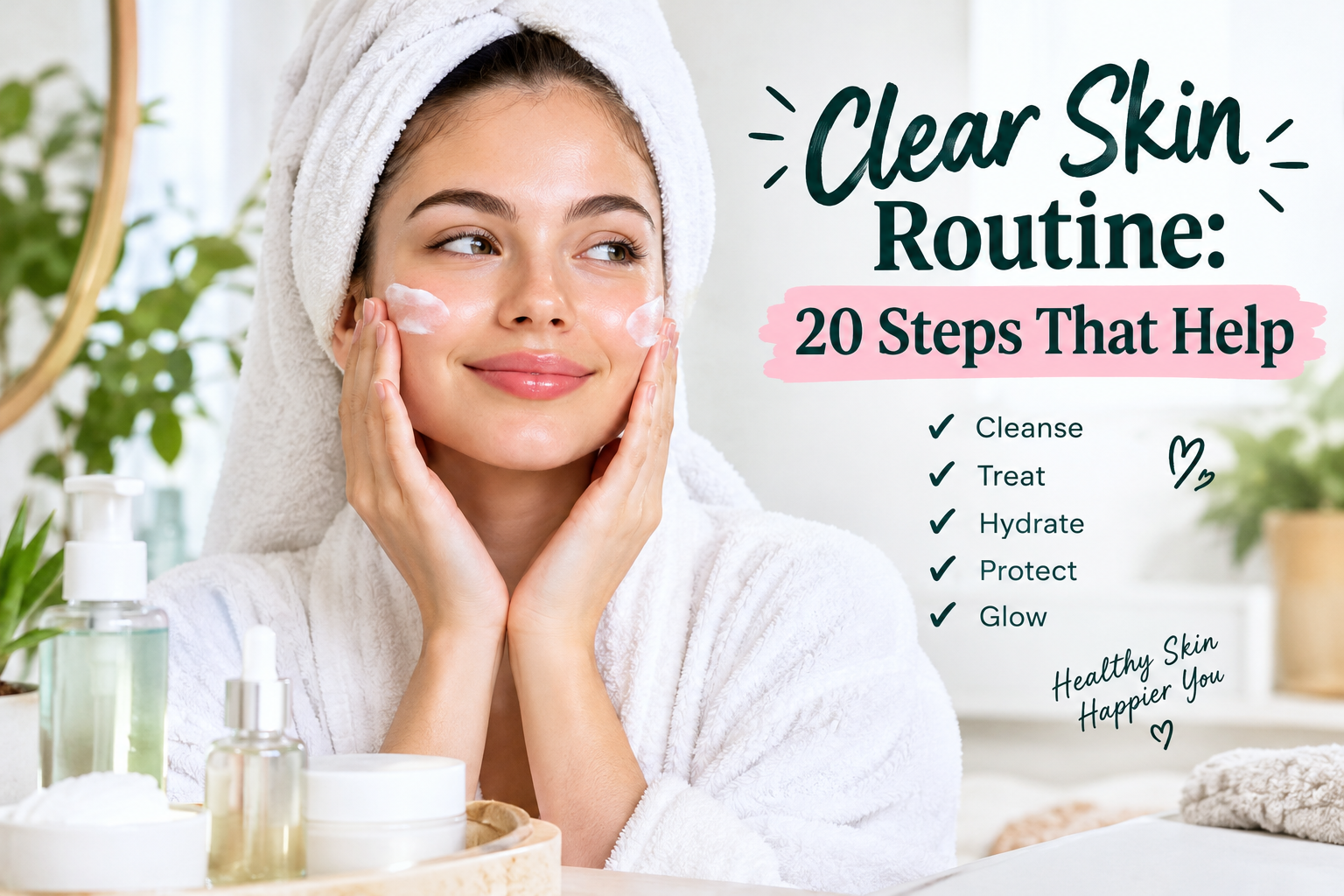
✨ Clear Skin Routine: 20 Steps That Help for a Healthy, Glowing Complexion
✨ Clear Skin Routine: 20 Steps That Help for a Healthy, Glowing Complexion
A consistent Clear Skin Routine: 20 Steps That Help can make caring for your skin feel easier, more manageable, and less overwhelming. Whether you struggle with occasional breakouts, clogged pores, dryness, or uneven-looking skin, the right skincare habits can support a healthier-looking complexion over time.
You do not need an expensive collection of products to build an effective routine. Instead, focus on gentle cleansing, suitable moisturizers, daily sun protection, and carefully chosen ingredients. Just as importantly, give your skin time to respond rather than changing products every few days.
This guide covers 20 practical skincare steps, morning and evening routines, helpful ingredients, common mistakes, and simple habits to consider in 2026. You will also learn how to adapt your routine to your skin type without expecting overnight results or perfection.
🌿 Why a Clear Skin Routine Matters
A clear skin routine is about more than achieving a particular appearance. It helps maintain the skin barrier, manage excess oil, remove everyday dirt, and protect your skin from environmental damage.
Your skin has its own natural protective barrier. When you repeatedly use harsh cleansers, over-exfoliate, or combine too many active ingredients, that barrier can become irritated. The result may be dryness, redness, discomfort, or more noticeable breakouts.
A thoughtful Clear Skin Routine: 20 Steps That Help approach prioritizes consistency instead of aggressive treatments. It also recognizes that acne can be influenced by hormones, genetics, medications, stress, and other factors beyond your skincare habits.
Remember that healthy skin does not have to be completely poreless or blemish-free. The goal is to care for your skin comfortably and choose products that meet its needs.
🧴 Clear Skin Routine: 20 Steps That Help Every Day
The following 20 steps provide a practical starting point. You do not need to introduce every product at once. Begin with the essentials, then add targeted treatments when necessary.
1. 🫧 Choose a Gentle Cleanser
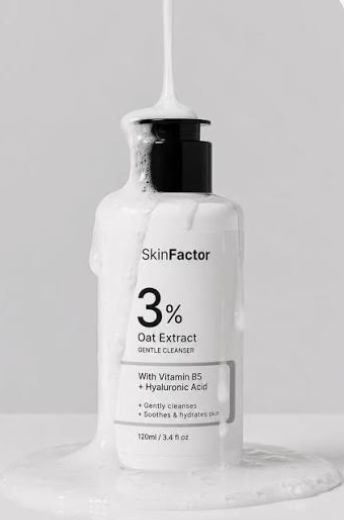
Cleansing removes sweat, excess oil, sunscreen, and everyday impurities. Choose a gentle cleanser that leaves your skin feeling comfortable rather than tight or squeaky.
If you have oily or acne-prone skin, a lightweight gel cleanser may suit you. For dry or sensitive skin, consider a fragrance-free cream or lotion cleanser.
Wash with lukewarm water and your fingertips. Avoid rough scrubbing tools, which can irritate the skin and make inflammation more noticeable.
A cleanser is the foundation of a Clear Skin Routine: 20 Steps That Help because it prepares your skin without unnecessarily disrupting its protective barrier.
2. 💧 Cleanse at the Right Times

For many people, cleansing in the morning and evening works well. However, very dry or sensitive skin may need a gentler morning approach, such as rinsing with water.
In the evening, remove sunscreen, makeup, and accumulated dirt. If you wear water-resistant sunscreen or long-wearing makeup, an appropriate first-step makeup remover can help before your regular cleanser.
After exercise or heavy sweating, gently cleanse when practical. You do not need to wash your face repeatedly throughout the day, as excessive cleansing may cause irritation.
3. 🌸 Use a Lightweight Moisturizer
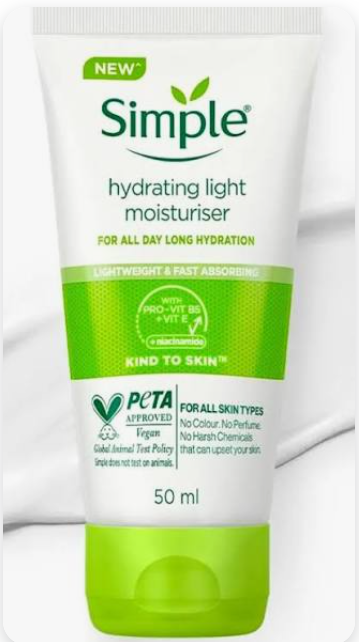
Moisturizer helps reduce water loss and supports the skin barrier. Even oily skin benefits from hydration, so skipping moisturizer is not necessarily the best way to manage shine.
Look for a texture that feels comfortable. Gel moisturizers may appeal to people who dislike heavy products, while creams can be useful for dry skin.
Ingredients such as glycerin, ceramides, and hyaluronic acid can help hydrate the skin. If you are acne-prone, consider products labeled non-comedogenic, while remembering that no label guarantees a product will suit everyone.
Moisturizing consistently is one of the easiest habits to maintain in your Clear Skin Routine: 20 Steps That Help.
4. ☀️ Apply Broad-Spectrum Sunscreen
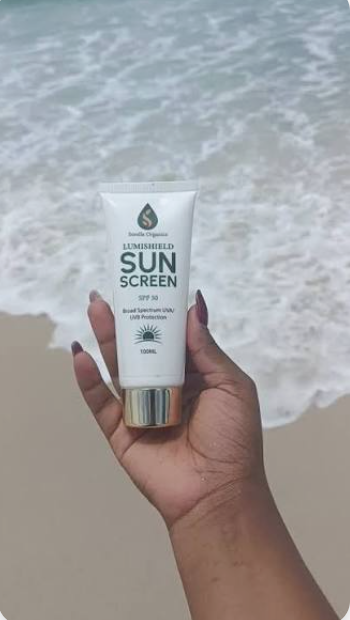
Daily sun protection is essential for general skin health. Choose a broad-spectrum sunscreen with SPF 30 or higher, and use it as directed on the label.
Apply it to exposed skin before going outdoors, allowing it to set according to the product instructions. Reapply approximately every two hours when outdoors and after swimming or sweating, following the label directions.
Sunscreen helps protect against sunburn and premature skin aging. It can also help prevent acne marks and other areas of discoloration from becoming darker with sun exposure.
For a comfortable finish, try a lightweight fluid, gel, or moisturizer-sunscreen combination designed for your skin type. Sunscreen should remain a daily priority, even when you are focusing on breakouts.
5. 🧪 Introduce Active Ingredients Slowly
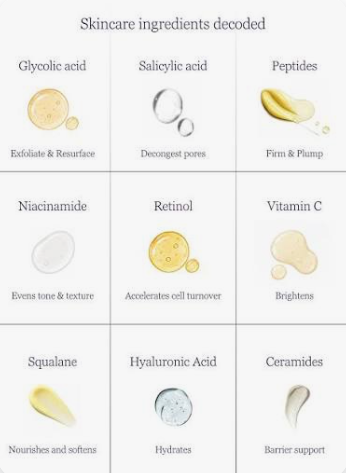
Targeted skincare ingredients can help address specific concerns, but more products do not automatically produce better results.
Some commonly used ingredients include:
- Salicylic acid: Helps exfoliate inside pores and may benefit blackheads and certain types of acne.
- Benzoyl peroxide: Can help treat acne by reducing acne-causing bacteria.
- Azelaic acid: May help with acne and uneven pigmentation.
- Retinoids: Certain retinoids can help manage acne and clogged pores, but they may cause irritation and require careful use.
Choose an ingredient based on your main concern rather than purchasing everything at once. Introduce one new product at a time, follow its directions, and reduce use or stop if significant irritation develops.
If you are considering retinoids, ask a healthcare professional which option is appropriate for your age and circumstances. Retinoids should be avoided during pregnancy or when trying to conceive unless a qualified clinician advises otherwise.
6. 🌿 Keep Your Skin Barrier Healthy
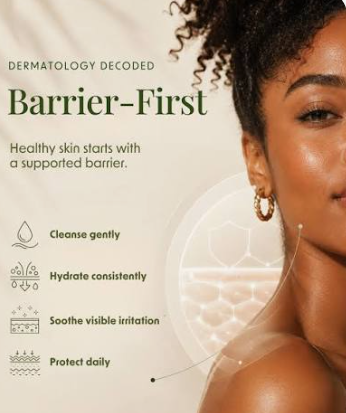
Your skin barrier helps retain moisture and protects against irritants. A damaged or irritated barrier can leave your skin feeling tight, itchy, or unusually sensitive.
To support it, use gentle cleansers, moisturize regularly, and avoid introducing several exfoliating products at once. If your skin becomes irritated, temporarily simplify your routine to cleansing, moisturizing, and sunscreen as tolerated.
You may see claims about barrier-repair products everywhere, but you do not need a complicated collection. A basic moisturizer containing ceramides or other moisturizing ingredients can be a useful starting point.
7. 🧼 Keep Your Hands Away From Breakouts

Touching, squeezing, or picking at pimples can increase inflammation and raise the risk of infection, discoloration, and scarring.
Instead, leave blemishes alone and use suitable acne treatments as directed. Hydrocolloid pimple patches may help protect some surface-level spots from picking, although they will not treat every type of acne.
If you frequently touch your face while studying or working, keeping your hands occupied may help. Small changes like these make a Clear Skin Routine: 20 Steps That Help easier to follow without purchasing additional products.
8. 🛏️ Change Pillowcases Regularly
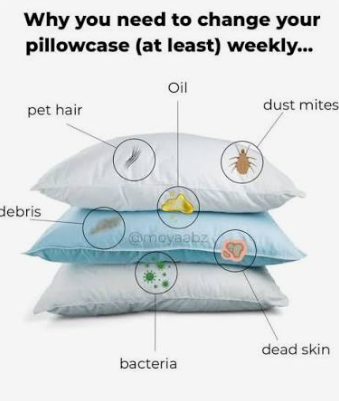
Pillowcases collect sweat, hair products, skincare residue, and everyday oils. Changing them regularly is a simple hygiene habit that can make your bedtime routine feel fresher.
Try changing your pillowcase about once or twice a week, or more often if it becomes sweaty or dirty. Use a detergent that does not irritate your skin, and rinse thoroughly.
A clean pillowcase cannot guarantee fewer breakouts, because acne has several causes. Nevertheless, regular laundering is a sensible habit, particularly if you use styling products that transfer onto your bedding.
9. 📱 Clean Your Phone Screen
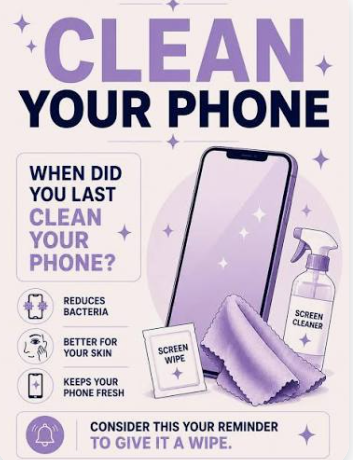
Your phone touches your hands throughout the day and may come into contact with your cheek. Keeping the screen clean is a practical hygiene measure.
Follow the manufacturer’s cleaning instructions and use a compatible cleaning method. Avoid spraying liquid directly into the phone’s openings.
If you often make calls, consider using headphones or speaker mode when convenient. These habits may reduce direct contact between your phone and facial skin, although they are not a substitute for appropriate acne treatment.
10. 💄 Remove Makeup Before Bed
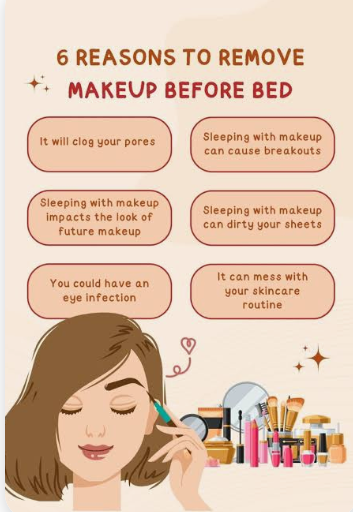
Sleeping in makeup can leave residue on your skin and may contribute to clogged pores or irritation, depending on the products you use.
Use a gentle makeup remover when needed, followed by your regular cleanser. Pay attention to long-wearing foundation, concealer, and eye makeup, which may require a dedicated removal step.
If you enjoy experimenting with beauty trends such as cherry cola lip makeup, make makeup removal part of the same routine rather than treating it as an optional extra.
Choose fragrance-free removers if fragrance tends to irritate your skin, and avoid rubbing delicate areas aggressively. Clean brushes and applicators regularly, too.
11. 🧴 Choose Non-Comedogenic Products

If clogged pores are a concern, look for skincare and makeup labeled non-comedogenic. These products are formulated to be less likely to contribute to clogged pores, although individual reactions can still vary.
Consider the products you use across your entire routine, including sunscreen, foundation, moisturizer, and hair products that touch your forehead.
Avoid assuming that every oil is harmful or every lightweight product is safe for acne-prone skin. Ingredients behave differently in different formulations, and personal tolerance matters.
A simple product diary can help you identify patterns if a new product seems to coincide with increased irritation or breakouts.
12. 🧪 Patch-Test New Skincare Products

Testing a new product before applying it all over your face can help identify potential irritation or allergic reactions.
Follow the product’s directions for testing. For a general home patch test, apply a small amount to a discreet area, such as the inner arm, and monitor it over several days.
A negative patch test does not guarantee that the product will never irritate your face or cause breakouts. However, it is a useful precaution, particularly when introducing active ingredients or products containing fragrance.
Add one new product at a time so you can more easily identify which product may be causing a problem.
13. 🥗 Eat Balanced, Regular Meals

Healthy skin does not depend on one special food, juice, or supplement. Instead, aim for a varied diet that includes vegetables, fruit, whole grains, protein sources, and healthy fats.
Some research suggests that a high-glycemic-load diet may worsen acne in certain people. However, food does not affect everyone in the same way, and acne is not proof that someone has a poor diet.
Avoid restrictive diets or eliminating entire food groups solely to achieve clearer skin. If you suspect that a particular food affects your acne, discuss the pattern with a healthcare professional or registered dietitian.
A balanced approach supports overall health without turning skincare into a stressful list of food rules.
14. 💧 Stay Hydrated

Drinking enough water supports normal body functions, and dehydration can affect how your skin looks and feels. However, drinking extra water beyond your body’s needs is not a proven treatment for acne.
Keep water available throughout the day, and drink according to thirst, activity, and environmental conditions. Hot weather may increase your fluid needs.
You can also support skin hydration with a moisturizer that helps retain water. This is important because drinking water and applying moisturizer serve different purposes.
A realistic Clear Skin Routine: 20 Steps That Help combines sensible hydration habits with topical care instead of relying on water alone to clear blemishes.
15. 😴 Maintain a Consistent Sleep Schedule
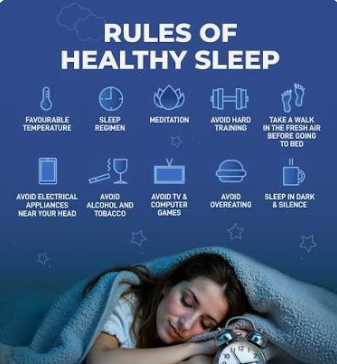
Sleep supports general health, and poor sleep may affect stress levels and the way your skin feels. Although better sleep cannot guarantee fewer pimples, a consistent schedule is a worthwhile habit.
Try to maintain regular bedtimes and wake-up times. Create a relaxing bedtime routine, reduce stimulating screen use before sleep when possible, and keep your sleeping environment comfortable.
Teenagers generally need more sleep than adults, so avoid comparing your sleep needs with someone else’s. Rest should support your well-being rather than become another perfection-focused skincare rule.
16. 🌼 Manage Stress in Realistic Ways

Stress does not cause every breakout, but it may aggravate acne in some people. It can also make it harder to maintain regular sleep and skincare habits.
Try manageable activities such as walking, stretching, listening to music, journaling, spending time outdoors, or taking short breaks from demanding tasks.
You do not need to meditate for an hour or follow an elaborate wellness routine. Even a few minutes of a relaxing activity can provide a useful pause during a busy day.
If breakouts make you feel self-conscious or overwhelmed, remember that acne is common and treatable. Your skin does not define your worth.
17. 🧖 Avoid Over-Exfoliating

Exfoliating ingredients can help with certain concerns, but frequent scrubbing and excessive acid use may damage the skin barrier.
Avoid combining multiple strong exfoliants simply because they promise faster results. Physical scrubs can also irritate inflamed acne, especially when used aggressively.
If you use salicylic acid or another exfoliating ingredient, follow the label and start conservatively. Give your skin time to adjust before considering any increase in frequency.
Signs that you may be overdoing it include persistent stinging, redness, peeling, tightness, and increased sensitivity. When these appear, stop irritating products and simplify your routine.
18. 🪮 Keep Hair Products Away From Your Face
Hair oils, waxes, pomades, and styling creams may contribute to clogged pores around the hairline in some people.
If you notice bumps along your forehead, review the products that touch that area. Try keeping your hair away from your face and washing off residue after using heavy styling products.
Wash hats, headbands, and other items that regularly touch your forehead. Avoid assuming that every hair product causes acne; focus on patterns you actually observe.
These small adjustments can complement a Clear Skin Routine: 20 Steps That Help without adding another complicated treatment.
19. 📅 Give Products Time to Work

Skincare results rarely appear overnight. Acne treatments often need several weeks of consistent use, and some may take around two to three months to show their full benefit.
Follow product instructions and assess progress over time rather than judging your routine after two or three applications. You might take occasional photographs in similar lighting to track changes without inspecting your skin constantly.
Do not keep adding products whenever a blemish appears. New spots can develop even when a treatment is working, and frequent product changes make it difficult to determine what helps.
If a product causes severe irritation, swelling, or persistent discomfort, stop using it and seek appropriate medical advice rather than waiting for your skin to adjust.
20. 👩⚕️ Seek Professional Help When Needed

You do not have to manage every skin concern alone. A dermatologist or other qualified healthcare professional can help identify the type of acne you have and recommend suitable treatment.
Consider professional advice if you experience painful or deep breakouts, developing scars, persistent acne despite consistent care, or significant emotional distress related to your skin.
Some skin conditions resemble acne but need different treatment. Getting an accurate assessment can prevent unnecessary spending on products that do not address the underlying problem.
The most effective Clear Skin Routine: 20 Steps That Help is one you can maintain comfortably, with professional support when home care is not enough.
🌞 Build a Simple Morning and Night Skincare Routine
You can put these ideas into practice without following all 20 steps as separate tasks. Start with a small number of essentials and adjust according to your skin’s needs.

☀️ Morning routine
- Cleanse gently, or rinse with water if appropriate for your skin.
- Apply a suitable moisturizer.
- Finish with broad-spectrum SPF 30 or higher.Optional: Add a targeted product if it suits your skin and fits your treatment plan.

🌙 Evening routine
- Remove makeup and sunscreen.
- Wash with a gentle cleanser.
- Apply an appropriate acne treatment if needed.
- Moisturize to support your skin barrier.Use treatments according to their directions and avoid layering irritating ingredients without professional guidance.
This simple schedule is often easier to maintain than a ten-step routine. Once you understand what your skin tolerates, you can decide whether additional products offer any real benefit.
🌸 Choose a Clear Skin Routine for Your Skin Type
Not every product works equally well for every person. Before purchasing something new, identify your main concern and choose products that feel comfortable on your skin.
| Skin type or concern | What to prioritize | What to be careful with |
|---|---|---|
| Oily skin | Gentle gel cleanser, lightweight moisturizer, sunscreen | Harsh cleansing and excessive oil stripping |
| Dry skin | Cream cleanser, richer moisturizer, gentle care | Strong exfoliants and drying products |
| Sensitive skin | Fragrance-free basics, gradual product introduction | Fragrance, irritating actives, rough scrubs |
| Acne-prone skin | Suitable acne treatment, non-comedogenic products | Picking blemishes and introducing multiple treatments |
| Combination skin | Lightweight hydration and targeted care | Treating every area as if it has identical needs |
| Uneven skin tone | Daily sunscreen and suitable targeted ingredients | Picking marks or expecting overnight changes |
🧴 What If Your Skin Is Oily but Dehydrated?
Oily skin can still feel tight or uncomfortable when it lacks adequate hydration or has become irritated. Adding more harsh cleansers is not always the answer.
Try a gentle cleanser, a lightweight moisturizer, and daily sunscreen. If you introduce an acne treatment, start gradually and monitor your skin’s response.
🌿 What If You Have Sensitive Skin?
Keep your product list short and favor fragrance-free formulas. Introduce one new product at a time, and avoid scrubbing or using several exfoliating ingredients together.
If you develop persistent redness, burning, itching, or swelling, discontinue the suspected product and seek medical advice when appropriate.
🍂 Adjust Your Skincare Routine for Different Seasons
Weather, humidity, and indoor environments can change how your skin feels. Your core routine does not necessarily need to change dramatically, but you may benefit from adjusting product textures.

☀️ Summer skincare
Hot, humid weather may increase sweating and shine. Consider a comfortable lightweight moisturizer, cleanse after heavy sweating, and maintain sunscreen use. Avoid washing repeatedly just because your face feels oily.

🍁 Autumn skincare
If your skin begins feeling drier, consider a slightly richer moisturizer. Keep cleansing gentle, and avoid adding exfoliants simply because your seasonal routine has changed.

❄️ Winter skincare
Cold weather and indoor heating can contribute to dryness. Use lukewarm water, moisturize consistently, and protect exposed skin. Continue sunscreen during winter, especially when spending time outdoors.

🌷 Spring skincare
Keep your routine simple while pollen, weather changes, or new products may affect comfort. Continue sun protection and avoid experimenting with multiple new ingredients simultaneously.
In 2026, simple, barrier-conscious skincare remains a practical approach to consider rather than chasing every viral product. Social media can offer useful inspiration, but popularity does not establish that an ingredient or routine is effective for your particular skin.
🎨 Helpful Ingredients for a Clearer-Looking Complexion
Understanding a few common ingredients can help you shop more confidently and avoid unnecessary products.
| Ingredient | Common purpose | Helpful consideration |
|---|---|---|
| Glycerin | Hydration | Useful in many moisturizers |
| Ceramides | Skin-barrier support | Often included in moisturizers for dry or sensitive skin |
| Salicylic acid | Exfoliation and acne care | Can irritate skin if overused |
| Benzoyl peroxide | Acne treatment | May cause dryness and bleach fabrics |
| Azelaic acid | Acne and uneven pigmentation | Introduce carefully and follow product directions |
| Hyaluronic acid | Helps attract and retain moisture | Works well as part of a moisturizing formula |
| Broad-spectrum sunscreen | Protection from UVA and UVB rays | Use SPF 30 or higher as directed |
You do not need all these ingredients in one routine. Choose according to your concerns, and ask a qualified professional for advice if you are unsure which acne treatment is appropriate.
Also, remember that natural does not always mean gentle. Essential oils, strongly fragranced products, and homemade facial treatments can irritate sensitive skin.
🚫 Common Skincare Mistakes That Can Work Against You
Even well-intentioned habits can make skincare more difficult. Watch out for these common mistakes.
- Changing products too often: Frequent switching makes it harder to identify which products help.
- Scrubbing aggressively: Friction can irritate inflamed skin.
- Skipping moisturizer: Oily skin still needs suitable hydration.
- Ignoring sunscreen: Sun exposure can worsen discoloration and damage skin.
- Copying someone else’s routine: Their skin type, treatment needs, and sensitivities may differ from yours.
- Using too many active ingredients: Combining several strong treatments can increase irritation.
- Expecting instant results: Many acne treatments need consistent use over several weeks.
- Picking at spots: This can increase the risk of scars and persistent marks.
- Believing every viral skincare claim: An attractive before-and-after photograph is not proof that a product works for everyone.
A realistic Clear Skin Routine: 20 Steps That Help is about identifying useful habits and repeating them consistently, not correcting every small imperfection.
📌 How to Make Your Clear Skin Routine Easy to Maintain
The best routine is one that fits your everyday life. If skincare feels complicated, you may find it harder to follow consistently.
Use this simple checklist to keep track of the basics.
Your daily skincare checklist
0/10Cleanse gently when neededMoisturize with a suitable productApply broad-spectrum SPF 30+ during the dayRemove makeup and sunscreen at nightUse acne treatments only as directedAvoid picking or squeezing blemishesChange pillowcases and clean makeup tools regularlyMaintain a consistent sleep scheduleReview new products for irritationSeek professional help for persistent or severe acne
Reset checklist
You can use this checklist as a reminder, not a test you must pass every day. The goal is to build manageable habits that support your skin and overall well-being.
❓ Frequently Asked Questions About Clear Skin
🌿 What is the best Clear Skin Routine: 20 Steps That Help beginners can follow?
Start with a gentle cleanser, moisturizer, and broad-spectrum SPF 30 or higher. Add a targeted acne treatment only if needed, introducing it gradually. The complete 20-step guide offers extra habits you can adopt over time rather than following every step immediately.
⏳ How long does it take to see clearer skin?
It depends on the cause of your skin concern and the products you use. Some people notice improvements in comfort or dryness relatively quickly, while acne treatments may need six to eight weeks or longer. Allow adequate time for a treatment to work, unless irritation or another concerning reaction occurs.
💧 Can drinking water clear acne?
Drinking enough water supports normal health, but drinking extra water is not a proven acne treatment. A balanced skincare routine, suitable acne medication when needed, and professional guidance are more reliable approaches to managing persistent breakouts.
🧴 Is moisturizer necessary for oily and acne-prone skin?
Yes, a suitable moisturizer can help support the skin barrier even when your skin produces excess oil. Choose a comfortable, lightweight formula if you prefer, and look for non-comedogenic products if clogged pores are a concern.
🧪 Which ingredient is best for acne-prone skin?
There is no single best ingredient for everyone. Salicylic acid may help with clogged pores, while benzoyl peroxide is commonly used for acne. The appropriate choice depends on your acne, sensitivity, age, and other treatments. A healthcare professional can help you choose safely.
☀️ Does sunscreen help with acne marks?
Sunscreen does not directly treat acne, but sun protection can help prevent existing dark marks from becoming more noticeable. Choose broad-spectrum SPF 30 or higher and apply it consistently as directed.
🩺 When should I see a dermatologist for acne?
Seek professional advice if you have deep or painful breakouts, developing scars, persistent acne despite consistent care, or skin symptoms that concern you. Early assessment can help you find suitable treatment and reduce the risk of lasting marks.
📌 Pinterest Optimization: Save These Clear Skin Tips
If you enjoy collecting beauty inspiration on Pinterest, turn the key steps into a simple reference board. Save a morning-and-evening routine, an ingredient guide, and a skincare checklist so you can revisit the information when choosing products.
Pinterest pin idea: Create a clean, vertical infographic featuring the three skincare essentials—cleanser, moisturizer, and sunscreen—with smaller sections for acne care, skin-barrier support, and common mistakes to avoid.
Pinterest title: Clear Skin Routine: 20 Steps That Help for Healthy, Glowing Skin
Pinterest description: Looking for a simple skincare routine? Discover Clear Skin Routine: 20 Steps That Help, including gentle cleansing, moisturizer, sunscreen, acne-care ingredients, healthy habits, and easy morning and night skincare tips. Save this practical guide for your daily beauty routine.
Pinterest hashtags: #ClearSkinRoutine #SkincareTips #HealthySkin #AcneProneSkin #SkincareRoutine #GlowingSkin #BeautyTips #SkinBarrier #MorningSkincare #NightSkincare
✨ Conclusion: Make Your Clear Skin Routine Work for You
A consistent Clear Skin Routine: 20 Steps That Help begins with a few simple essentials: gentle cleansing, suitable moisturizing, daily sunscreen, and careful use of targeted treatments. Small habits such as removing makeup, avoiding picking, and maintaining clean skincare tools can complement those basics.
You do not need to follow every trend or purchase dozens of products. Instead, choose skincare that suits your needs, introduce new ingredients gradually, and allow treatments enough time to work.
If breakouts persist, become painful, or leave scars, professional guidance can help you find a more effective approach. Most importantly, remember that healthy skin comes in many forms. Build a routine that supports your comfort and well-being rather than chasing flawless skin.